
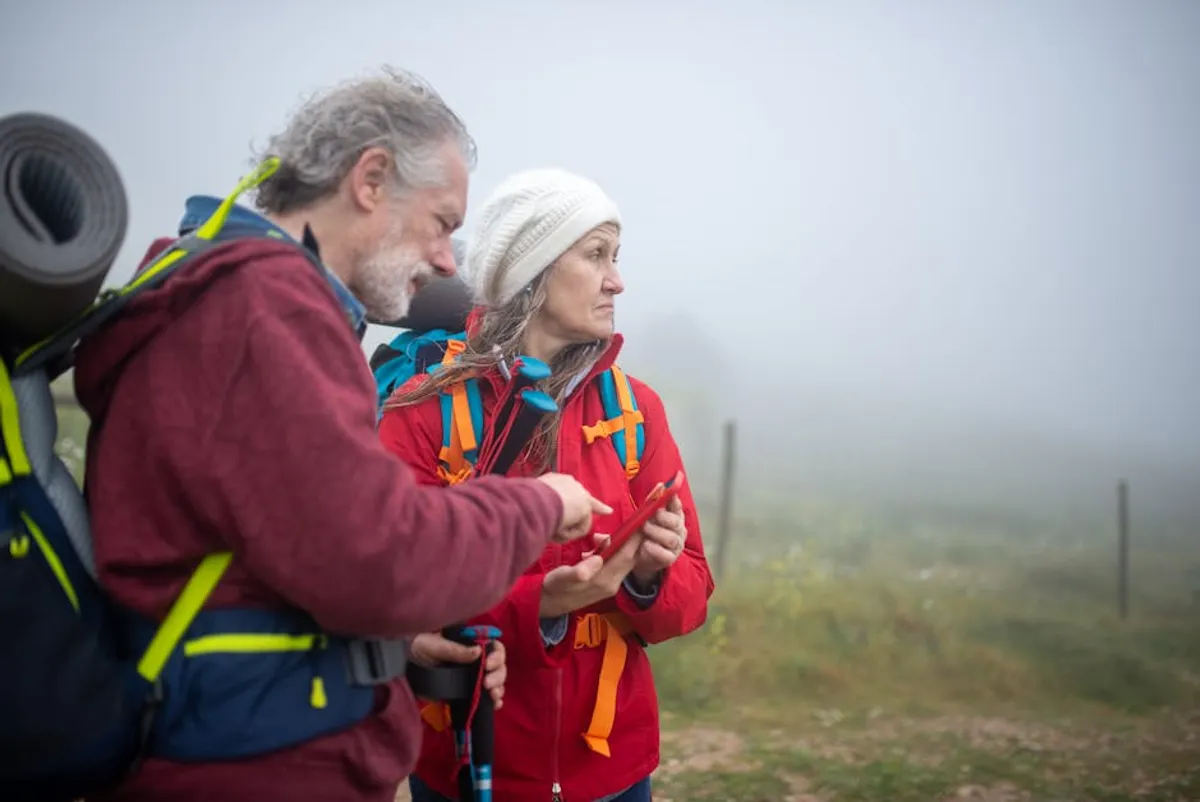
Gobackpacking presents a content ecosystem built around the niche of independent, often budget-conscious, travel. Analyzing its search presence provides insight into how a specialized travel domain positions itself to capture specific user intents. The site's content structure, keyword targeting, and overall editorial approach are critical indicators of its organic visibility potential within a competitive travel landscape. Understanding its approach to topics like destination specifics, practical travel logistics, and traveler safety helps delineate its target audience and commercial value.
What Gobackpacking Appears to Cover
Gobackpacking's content strategy primarily centers on comprehensive guides and first-person narratives relevant to backpacking. The site appears to focus on granular destination information, offering detailed itineraries, budget breakdowns, and cultural insights for specific regions and countries. This includes practical advice on visa requirements, local transportation, accommodation options, and activity recommendations. A significant portion of its content addresses common traveler concerns, such as packing lists, gear reviews, and tips for solo travel. The site also explores various travel styles, including long-term journeys, digital nomadism, and volunteer opportunities abroad. Content categories frequently involve "how-to" guides for planning complex trips, managing finances on the road, and navigating cultural differences. Furthermore, Gobackpacking publishes articles addressing travel safety concerns, covering topics like personal security, health precautions, and common scams to avoid in different destinations. It also explores alternative travel arrangements, gear choices, or route options, catering to users seeking different approaches to backpacking or comparing various travel methodologies.
Where Its Search Traffic May Come From
Organic search traffic for Gobackpacking likely originates from a blend of informational and navigational queries. Users seeking specific destination guides, such as "backpacking Southeast Asia itinerary" or "budget travel Europe," would find relevant content. Long-tail keywords related to practical travel challenges, like "how to pack light for a year" or "best travel insurance for backpackers," also represent potential traffic drivers. The site's focus on detailed, experience-driven content positions it well for queries where users are looking for authentic advice rather than just commercial listings. Additionally, searches for specific gear recommendations, such as "durable travel backpack review" or "portable water filter for hiking," could contribute to its organic visibility. The content around travel safety and alternative travel methods suggests an audience actively researching risks and exploring diverse options before committing to plans, indicating traffic from queries like "is it safe to travel solo in Colombia" or "alternatives to hostels for budget travelers."
Search Intent Behind Gobackpacking
The search intent targeted by Gobackpacking is predominantly informational, with a strong undercurrent of investigational and some transactional intent. Users arriving via informational queries are typically in the planning or research phase, seeking answers to specific questions about destinations, logistics, or experiences. Examples include "best time to visit Thailand for backpacking" or "how to get around Peru by bus." Investigational intent is evident in searches for "travel safety tips for women" or "pros and cons of working holidays," where users are evaluating options and potential risks. While direct transactional intent (e.g., "book flight to Bali") is less of a primary target, the site likely captures users who are close to booking and are looking for final pieces of information or validation before making a purchase. This could manifest in searches for "recommended hostels in Lisbon" or "what travel insurance to buy." The content around webmaster context, if interpreted as content for fellow travel bloggers or site owners, would indicate a highly specific, niche informational intent for operational or technical advice within the travel content creation space.
Why Traffic May Rise or Fall
Gobackpacking's organic traffic fluctuations are tied to several factors. Seasonal travel trends play a significant role, with peak search interest for certain destinations aligning with popular travel seasons. Major global events, such as health crises or political instability, can cause sharp declines in travel-related searches and, consequently, site traffic. Algorithm updates from major search engines can re-evaluate content quality, relevance, and authority, leading to shifts in search visibility. The emergence of new travel trends or destinations can create opportunities for traffic growth if the site adapts its content strategy to cover these topics promptly. Conversely, if content becomes outdated or less comprehensive than competitor offerings, its visibility may diminish. The perceived authority and trustworthiness of the information, particularly regarding safety advice and practical logistics, directly influence user engagement and search engine rankings. A consistent content cadence, coupled with regular updates to existing articles, is crucial for maintaining relevance.
How the Site Could Improve Organic Visibility
To enhance organic visibility, Gobackpacking could focus on several strategic areas. Developing more structured data markup (e.g., Schema.org for articles, FAQs, and reviews) can improve rich snippet eligibility and click-through rates. Expanding content clusters around high-value topics, such as "sustainable backpacking" or "remote work travel," could capture emerging search demand. Implementing an internal linking strategy that intelligently connects related articles can improve page authority distribution and user navigation. Regular content audits to identify and update outdated information, especially concerning visa requirements, prices, or safety advisories, are essential for maintaining accuracy and relevance. Optimizing for "People Also Ask" boxes and featured snippets by directly answering common questions within article introductions or dedicated FAQ sections can also boost visibility. Furthermore, a deeper analysis of competitor content that ranks for target keywords could reveal content gaps or opportunities for more comprehensive coverage within existing topics, including specific advice on webmaster-related topics if that's a targeted niche.
What to Check Before Trusting Traffic Estimates
Before relying on any third-party traffic estimates for Gobackpacking, it is crucial to understand their inherent limitations. These estimates are typically based on sampled data, keyword ranking projections, and statistical models, rather than direct access to a site's analytics. Factors such as geographical targeting, specific long-tail keyword performance, and brand-specific navigational queries are often difficult for external tools to accurately assess. Discrepancies can arise from varying data collection methodologies, update frequencies, and the completeness of keyword databases. It's important to cross-reference data from multiple sources if possible, and to recognize that such figures are indicators of trend and scale, not precise measurements. Real traffic data can only be accurately obtained directly from the site's own analytics platforms, which track actual user behavior and source attribution.
Frequently Asked Questions About Gobackpacking's Search Presence
What types of travel content are most prevalent on Gobackpacking?
Gobackpacking primarily features detailed destination guides, practical travel logistics, budget planning advice, gear recommendations, and personal travel narratives, all centered around the backpacking experience.
How does Gobackpacking address traveler safety concerns?
The site publishes dedicated content on travel safety, offering advice on personal security, health precautions, common scams, and destination-specific advisories to help backpackers stay secure on their journeys.
What kind of search intent does Gobackpacking attract?
Gobackpacking largely attracts informational and investigational search intent, as users seek answers to travel planning questions, evaluate destinations, and research practical aspects like safety and budget management before making travel decisions.
Could Gobackpacking's content strategy include webmaster-focused topics?
If the site aims to serve a dual audience, it could integrate content specifically for webmasters or travel bloggers, covering topics like optimizing travel content for search, monetization strategies for travel sites, or technical SEO considerations for travel blogs.



